
Cumberland Island Wild Horses: History, Ecological Impact, and the Debate
Cumberland Island’s feral horses are some of the most iconic animals people think of when they imagine Georgia’s largest barrier island. Boat loads of visitors hope to spot them near dunes, in the marsh, or by the ruins of old estates. But pull back the romantic lens and you find serious ecological harm, legal confusion, and a management void that threatens the island’s wild character.
This article lays out what these horses really are, how they affect the island’s ecosystems, the ongoing policy controversy, and why this matters for wilderness stewardship.
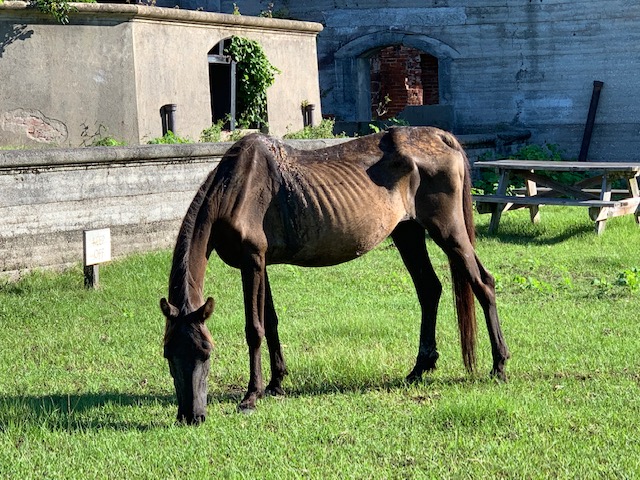
What Are Cumberland Island’s Feral Horses?
The horses on Cumberland Island National Seashore are not native wildlife. They are feral animals descended from domestic horses brought to the island over time.
They roam freely across dunes, marshes, forests, and around old ruins. Their population is estimated at roughly 150 to 200 animals, though exact annual counts vary.
These horses have no food, water, veterinary care, population management, or planned oversight from the federal agency that runs the island.
The Core Problem: Damage to Native Ecosystems
Despite how pretty they look, the ecological reality is stark.
1. Grazing and Trampling
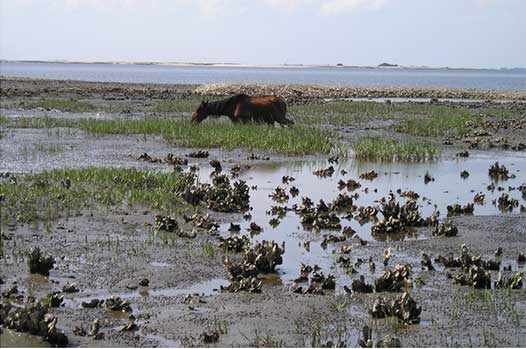
Feral horses trample and graze key native plant species, including marsh grasses and dune vegetation that stabilize soil and protect shorelines from storm erosion.
Plants like Spanish moss and smooth cordgrass, which trap and hold sediments, are eaten down by horses. When these plants decline, marsh erosion increases and storm impacts worsen.
2. Disrupted Wildlife Habitat
Marshland and shoreline areas are critical habitat for native species such as fiddler crabs and nesting shorebirds. Horses compress sensitive ground with heavy hooves and scare nesting birds, damaging these habitats.
3. Waste and Water Quality
Large numbers of animals produce significant amounts of waste, and this waste does not cycle through the ecosystem quickly or safely. Some clam beds have been closed because of concerns linked to this issue. Swimming beach water is not tested but often visibly affected.
4. Physical Risks to the Horses
Cumberland’s soft salt marsh and mud flats are not suited to large, heavy ungulates. Horses can and do sink into mud and drown. Thick manes and long tails can also snag in vines and brush, leading to traumatic injuries and death.
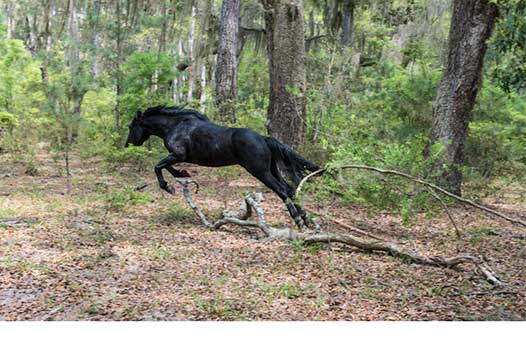
photo credit: Ken Hill
Are the Horses Thriving?
No. They struggle in this non-native environment.
They are subject to:
• Parasites
• Limited fresh water
• Drought stress
• Rough living conditions
Horses living without management generally have shorter life spans than domestic horses due to these stressors.
Policy and Management: No Plan, Big Problems
Unlike other feral horse herds in the U.S., the Cumberland Island herd has no official management plan from the National Park Service, even though internal documentation acknowledges the damage they cause.
In 2023, advocates filed a lawsuit seeking more humane care and eventual removal of the herd. A federal judge dismissed the case on procedural grounds but explicitly urged agencies to act.
The legal vacuum means:
• No population control
• No veterinary care
• No feeding or water supplementation
• No clear strategy to protect native species
Meanwhile, the horses themselves suffer, and the island’s wilderness continues to erode.
The Core Conflict
Tourists, local businesses, and many visitors love the horses as a symbol of Cumberland Island. They make great photos, are a big tourism draw, and feel “natural.”
But here’s the honest truth:
These animals are not native, they are damaging native ecosystems, and no federal wilderness law requires us to pretend they don’t.
Seeing them on a pristine beach does not make them part of a healthy ecosystem. They are an invasive large mammal in places where no such animals should roam unchecked.
What Stewardship Should Look Like
Wild Cumberland’s position is grounded in responsible stewardship, compassion for the animals, and respect for native wilderness values:
• Demand the NPS create a transparent management plan
• Advocate for humane transition out of wilderness habitat
• Document ecological damage and share photos and reports
• Encourage public comment during planning opportunities
Management does not have to mean cruelty. It has to mean accountability, science-based decisions, and real protection for ecosystems and species that have no voice.
Frequently Asked Questions
Are the Cumberland horses protected?
No. They are not protected under the federal wild horse law, and NPS does not manage them.
Are the horses in good health?
Many struggle due to lack of water, forage, and veterinary care. The islands ecosystem does not fully support the necessities of a horse population.
Can visitors interact with them?
NPS rules say do not come in close contact with the horses. They are unpredictable and if spooked, can act out. Stay a safe distance away to observe.
The Bigger Picture
The future of the Cumberland Island horses sits at the intersection of:
Ecology
Federal
Wilderness Law
Public Perception
Long-Term Stewardship
It is easy to romanticize wild horses running along the beach but it’s harder to ask whether their presence aligns with the legal mandate to preserve wilderness character. They may be scenic, but that does not justify ignoring the science or the law.
Stay Informed by Subscribing to Wild Cumberland’s Email Newsletter
The management of Cumberland Island is not static. Policies evolve. Public input matters.
If you care about the long term preservation of Cumberland Island’s wilderness, stay informed by signing up for our newsletter, read proposed management updates carefully, and participate in public comment opportunities when they arise.
The decisions made today will shape the island for generations.
Supporting Information:
